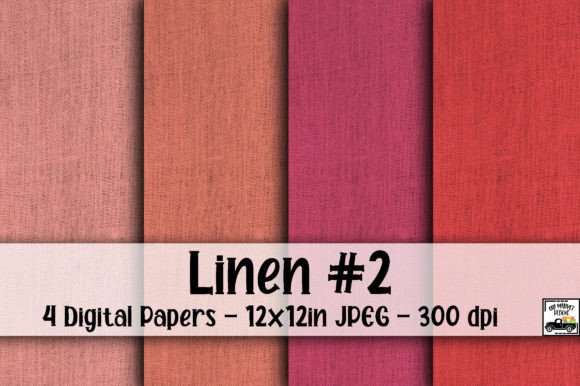
Linen Textures Digital Paper: The Tactile Appeal of Linen Textures Digital Paper #2
In the world of digital design, creating a sense of warmth, authenticity, and texture can be a challenge. While sleek gradients and flat colors have their place, they often lack the human touch that resonates with audiences. This is where a resource like Linen Textures Digital Paper #2 becomes an invaluable part of a designer's toolkit. It's more than just a background; it's a design asset that injects a project with immediate character and a tangible quality, bridging the gap between the digital and the physical.
Understanding the Subtle Power of a Linen Texture
At its core, a linen texture replicates the woven, slightly irregular surface of linen fabric. The visual characteristics are defined by a subtle, cross-hatched pattern of fine lines and a gentle, uneven surface that catches light in a soft, diffused way. Unlike a perfectly smooth gradient, a linen texture has depth. It feels organic, familiar, and comforting. The "personality" of Linen Textures Digital Paper #2 is one of understated elegance and approachability. It doesn't scream for attention but rather provides a sophisticated foundation upon which other design elements can shine. Its style is versatile, able to lean rustic and traditional or clean and modern depending on the context it's placed in. This inherent flexibility is its greatest appeal, making it a go-to resource for designers aiming to create a specific mood without overwhelming their primary content.
Practical Applications Across Your Projects
The true value of any design asset lies in its practical application. Linen Textures Digital Paper #2 excels in a wide array of projects, offering a solution for adding depth and professionalism where a plain background might fall flat.
For Branding and Marketing Materials
For small business owners and entrepreneurs, brand consistency is paramount. Using a linen texture as a recurring background element across your website, social media graphics, and email newsletters can create a cohesive brand identity. It suggests a brand that values quality, craftsmanship, and attention to detail. Imagine a bakery using this texture on its menu, a boutique retailer on its shopping bags, or a consultant on their presentation slides. It adds a layer of professionalism and care that customers notice. When developing a logo design, a subtle linen background can frame the logo in a mockup, showing clients how it might look on a physical product or stationery, which helps in visualizing the final brand identity.
In Publishing and Editorial Design
In editorial design, whether for a digital magazine, a blog, or a printed book cover, texture plays a crucial role in setting the tone. A linen background can make a page feel more substantial and considered. It works beautifully for chapter title pages, pull quotes, or as a background for author bios, adding a touch of class without distracting from the typography. For bloggers and content creators, using these papers as a base for Pinterest pins or Instagram story templates can make their content stand out in a crowded feed. The texture provides visual interest that a simple color block cannot, helping to increase engagement and make the content more shareable.
For Digital Scrapbooking and Personal Creations
The applications extend into personal projects as well. For digital scrapbookers, Linen Textures Digital Paper #2 provides a perfect, high-quality foundation for layouts. It mimics the feel of a traditional craft paper, adding a layer of realism and warmth to digital memories. Similarly, for card making and creating digital invitations, these papers offer an immediate sense of occasion and quality. The included 4 papers, each at 12" x 12" and 300 dpi, are print-ready, ensuring that whether your project lives on a screen or in your hands, it will look crisp and professional.
Integrating Texture into Your Design Workflow
Successfully incorporating a textured paper involves more than just dropping it into a file. It requires a thoughtful approach to ensure it enhances, rather than detracts from, your work.
Evaluating Fit and Readability
Before committing to a texture, consider your project's primary goal. Is the focus on long-form reading? If so, a heavily textured background behind body text can cause eye strain. In this case, use the linen texture for surrounding elements like sidebars, headers, or footers, while keeping the main text area clean. For projects where the text is minimal, like a wedding invitation or a social media graphic, a full linen background can be highly effective. Always test your text and other graphic elements on top of the texture to ensure there is enough contrast and that the visual hierarchy remains clear.
Font Pairing and Visual Harmony
A linen texture's classic, tactile nature makes it a surprisingly versatile partner for various typographic styles. It can ground a modern, sans-serif font, preventing it from feeling too sterile. It can also beautifully complement a traditional serif font, enhancing its classic feel. When working with a more expressive script font or handwritten font, a linen background can add a rustic, personal touch that feels authentic. The key is to balance the visual "noise" of the texture with the clarity of your chosen typeface. A bold, clean font will stand up well to the texture, while a very delicate or thin font might get lost.
Understanding the Asset Details
This particular set includes four distinct JPEG files, offering variety for a single project or across multiple ones. The 300 dpi resolution is a critical detail, making these papers suitable for high-quality print projects like packaging design, brochures, and physical invitations. It's also important to note that these papers are not seamless. This means they are designed to be used as a single 12x12 background rather than tiled to fill a larger space. For projects requiring a seamless pattern, you would need to source a different asset, but for most standard design applications, a single, high-resolution paper is exactly what you need. When you visit OldMarket, you're accessing a curated collection of assets designed with these practical considerations in mind.