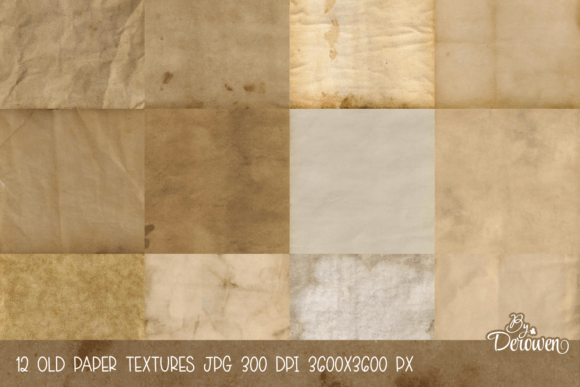
12 Old Paper Textures for Printable Paper Projects
Unleash Vintage Charm in Your Creative Projects
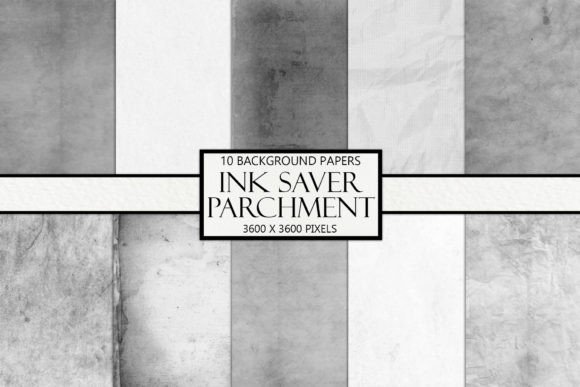
There's a distinct satisfaction in working with materials that carry a sense of history and authenticity. The 12 Old Paper Textures, Printable Paper collection is designed to bring that exact feeling directly to your home printer. This isn't just about a pattern; it's about accessing a versatile design asset that mimics the nuanced beauty of aged parchment, weathered documents, and classic stationery. For the designer, crafter, or small business owner, having a reliable set of high-quality, printable textures is like having a secret weapon for creating tangible, memorable pieces.
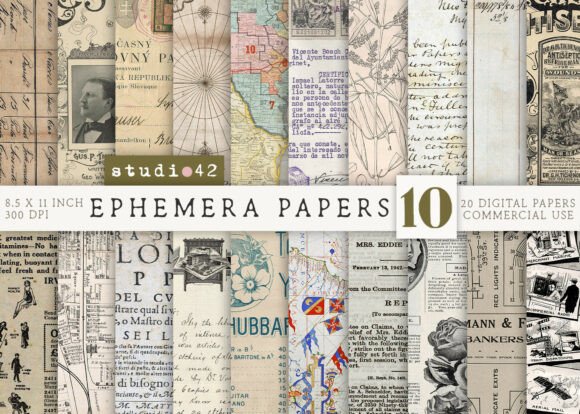
At its core, this collection provides 12 distinct digital paper files, each a high-resolution 300 dpi JPEG sized at 3600x3600 pixels. This technical specification is crucial. It ensures that whether you're printing a full 12"x12" sheet or scaling it down for A4 or letter-size projects, the detail remains crisp and the color integrity is preserved. The textures themselves range from subtle, parchment-like discolorations to more pronounced stains, creases, and fibrous details, offering a spectrum of vintage appeal without ever looking digitally artificial.
Practical Applications for Print and Digital Craft
The true value of these textures lies in their real-world application. They are purpose-built for physical creation. Think beyond a simple background layer. Use them to print your own patterned cardstock at home, instantly elevating handmade greeting cards, invitations, and thank-you notes. The visual weight of an old paper texture adds a layer of perceived care and craftsmanship that plain cardstock cannot match.
For entrepreneurs and content creators, these files are a branding workhorse. They are perfect to create cards, gift boxes, gift card holders, gift wrapping and even sublimation. Imagine your small-batch candles wrapped in paper that tells a story, or your Etsy shop orders arriving in boxes lined with a vintage map texture. This consistency in packaging design builds a recognizable brand identity that feels curated and professional. The files are also formatted for sublimation, allowing you to transfer these rich textures onto mugs, tote bags, and apparel, opening up a whole new product line.
For digital projects, while the primary output is print, the textures serve as excellent base layers for web design hero images, social media graphics, and blog post featured images. They provide an organic, tactile feel that can soften a digital layout and make content more engaging. When used in editorial design for digital magazines or PDFs, they can frame text beautifully, guiding the reader's eye and enhancing readability through thoughtful visual hierarchy.
Integrating Textures into Your Design Workflow
Integrating these textures effectively requires a designer's eye for font pairing and composition. A busy, highly detailed old paper texture demands a clean, legible typeface to avoid visual chaos. A modern sans serif font or a crisp serif font can create a striking contrast, letting the vintage background support rather than overwhelm your message. Conversely, a more subdued texture can beautifully complement a script font or handwritten font for a cohesive, rustic aesthetic.
When evaluating project fit, consider the personality of each texture. One might evoke a premier, antique document suitable for formal event stationery, while another could resemble a weathered field notebook, perfect for adventure-themed branding. Always test your print settings. As the product notes, colors may vary between online viewing and your actual printed product due to printer quality and paper type. I recommend printing a small test sheet on your intended material—be it cardstock, sticker paper, or printable vinyl—before committing to a full run. This simple step ensures your final product, whether it's a logo design mockup on textured paper or a batch of product labels, meets your quality standards.
Remember, these are design assets for commercial and personal use. They empower you to produce unique, professional-grade materials without the overhead of sourcing specialty papers. By understanding their visual strengths and technical limits, you can confidently use this collection to add depth, character, and a tangible sense of history to everything you create.